
Melbourne West data centre water demand
⚠ CRITICAL INFRASTRUCTURE ALERT
DATA
CENTRES
ARE DRAINING
AUSTRALIA
19 billion litres of drinking water demanded annually in Melbourne alone. 97% of stormwater wasted. A broken water cycle - and the infrastructure to fix it.
of Australia's stormwater runoff uncaptured
Single proposed data centre peak demand
The Water Crisis
The Numbers Are Terrifying
Australia's water network is breaking
Combined drinking water requested by 19 data centres in Melbourne's west - equal to 330,000 residents
Single site peak demand (Mt Cottrell) - existing pipes not designed for this flow rate
Australia wastes 97% of surface water runoff - never captured, never recycled
- 1MW Data Centre (traditional)25M L/yr
- Australian Household / year~200K L/yr
- Large Data Centre (Sydney)3.69B L/yr
- Melbourne West cluster demand19.78B L/yr REQUESTED
A single 1MW data centre uses as much water as 18,000 Australian households combined. The Mt Cottrell proposal would supply over 26,000 homes.
A GRAF-equipped data centre on a typical industrial site can capture up to 4.6 million litres of stormwater per year - illustrative figure based on a hypothetical Victorian site; actual volume depends on catchment area and rainfall.
The National Scale
Melbourne is the canary in the mine.
10 NSW-approved data centres (Microsoft, Amazon, AirTrunk) collectively projected to consume 9.6 gigalitres annually - nearly 2% of Sydney's total maximum supply. All 10 approved without mandatory water-efficiency conditions.
Per year - Sydney already approved
10 NSW-approved data centres (Microsoft, Amazon, AirTrunk) collectively projected to consume 9.6 gigalitres annually - nearly 2% of Sydney's total maximum supply. All 10 approved without mandatory water-efficiency conditions.
Sydney demand by 2035
Sydney Water projects data centres could consume up to 135 gigalitres per year by 2035 - a full quarter of the city's available water supply. Sydney's drinking water is limited to a single dam and a desalination plant.
Per day - Sydney peak by 2035
Sydney Water told IPART data centre demand could hit 250 megalitres per day by 2035. For context: that is more than Canberra's entire city water supply. Total system demand could rise 20% beyond 2030 projections.
forecast new investment by 2030
Data centre infrastructure spending required nationally to meet projected demand
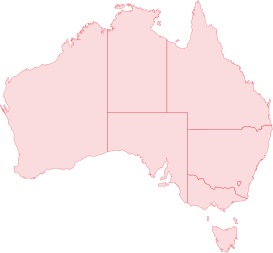
Sydney
Single dam + desal. 10 DCs approved. 9.6 GL/yr demand already locked in.
Melbourne
200B litre deficit 2024–25. 19 DC applications at GWW. Steepest drop since Millennium Drought.
Perth
Declining rainfall for decades. Heavily desal-dependent. 18 data centres and growing.
Adelaide
Driest capital. 2024 driest year since 2006. Reservoir inflows lowest in 40 years.
“The amount of our water supply used in these data centres now is absolutely colossal... no one thinks about it when the dams are full. But if it's anything like Victoria, South Australia, we may be caught off guard.”
Ian Wright, Associate Professor of Environmental Science, Western Sydney University - In The Cove, Dec 2025
The Broken Cycle
The water cycle has been short-circuited
Current State - Broken Loop
Every litre used for cooling comes from the drinking water network. Stormwater is lost.
- Drinking water in
- Wasted to sea
- 97% lost
GRAF Solution - Closed Loop
Stormwater captured. Treated. Stored. Reused. No drinking water needed for cooling or fire systems.
- 01 Capture · HAURATON
- 02 Treat · Mako Shark
- 03 Detain · EcoBloc
- 04 Store · CARAT XXL
- 05 Reuse · Cooling + fire
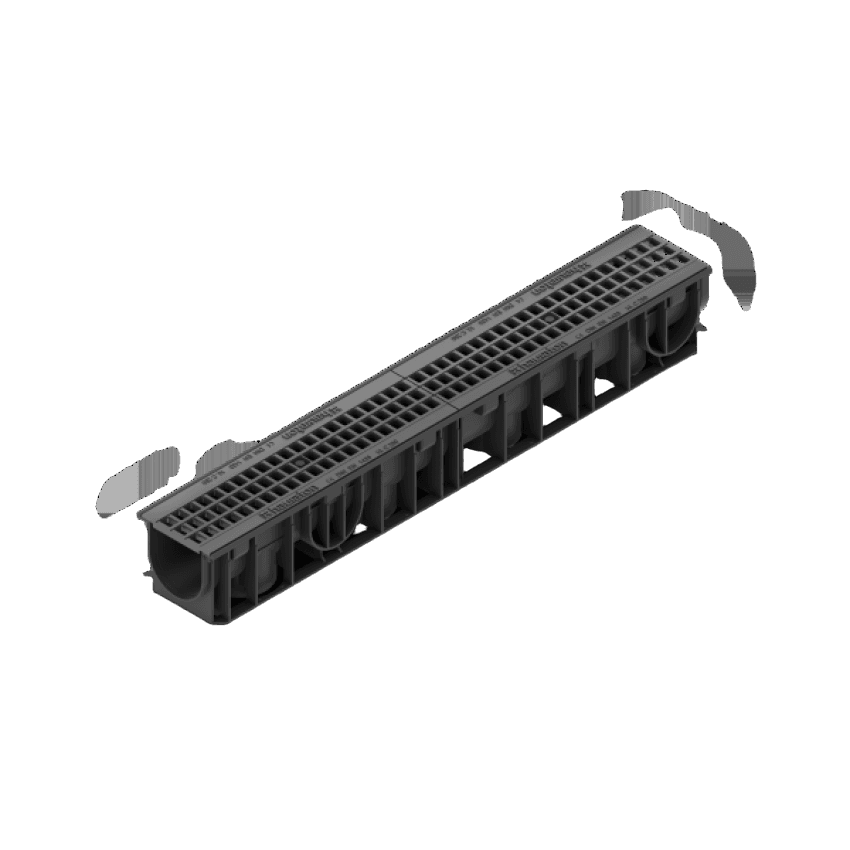 01HAURATON
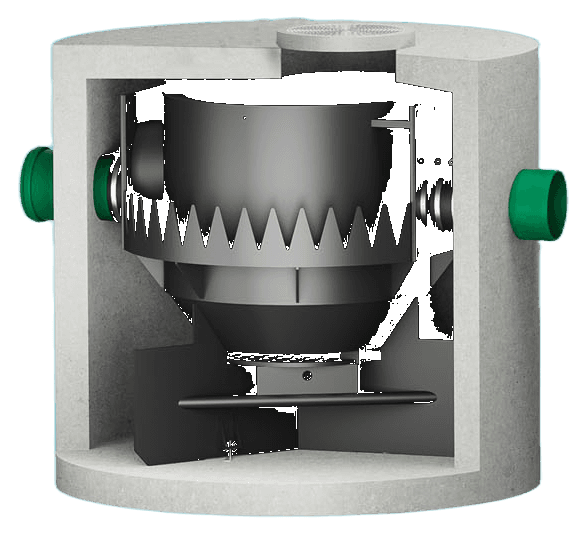 02Mako Shark
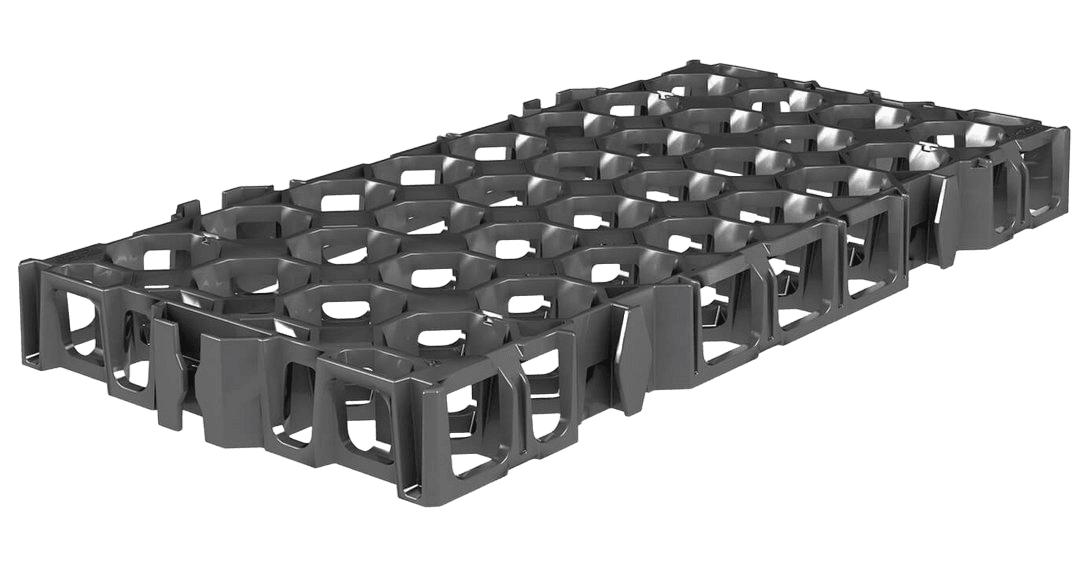 03EcoBloc
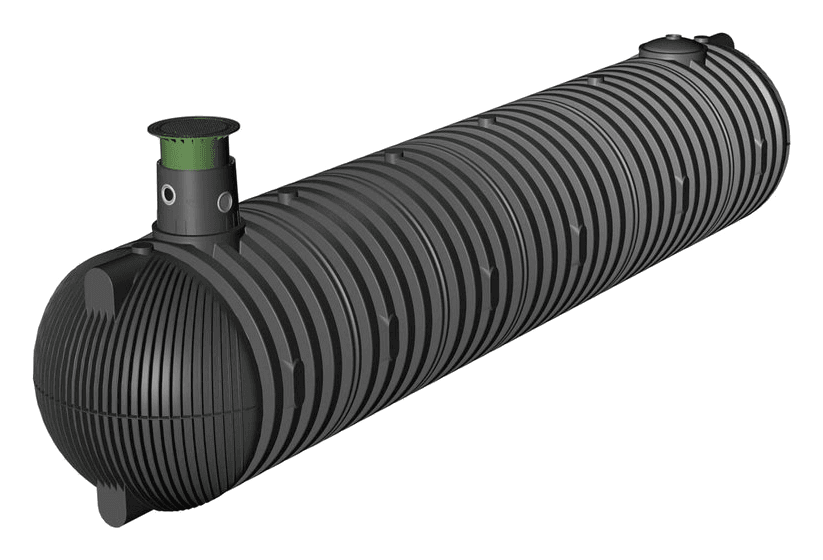 04CARAT XXL
 05Cooling + fire
Capture
HAURATONHAURATON channels direct all flow
Treat
Mako SharkMako Shark removes ≥94% of TSS and ≥98% of mineral oil hydrocarbons.
Detain
EcoBlocPeak flow controlled underground
Store
CARAT XXLUp to 122,000L per CARAT XXL
Reuse
Cooling + fireCooling + fire + zero mains demand
Live Simulation - Drinking Water Protected
Every litre in a cooling tower is a litre not in your tap.
Australia's 250+ data centres already consume ~100 billion litres of drinking water per year (AFR; Water Services Association of Australia, 2025) - projected to triple by 2030. Melbourne storages are already at 67% (Melbourne Water, April 2026). Deployed across the national fleet, GRAF's closed-loop system returns that potable water to households.
Year
2026
Reservoir: 67.0%
Restriction Stage
NO RESTRICTIONS
Permanent saving rules only
Drinking Water Saved
0 GL
Annual: 0 GL/yr
People Supplied (1 yr)
0
At 169 L/person/day
Indicative model using publicly available data. "People supplied" is an illustrative equivalence only - it does not mean GRAF-saved water is automatically redistributed to households. Actual water allocation decisions sit with state water corporations and the Essential Services Commission. GRAF's closed-loop system reduces potable cooling draw at participating sites; deployment at each DC requires engineering validation. Not an engineering design tool.
National Water Security
The driest inhabited continent on earth.
Australia's average - well below the global mean. Highly variable year to year, with streamflow variability double most other countries.
Less than 3% of Australian stormwater is captured for reuse (excluding Perth). The rest drains to sea. Data centres are demanding potable water while surface water goes to waste.
Data centres currently use 2% of Australia's grid electricity. This is projected to triple to 6% by 2030 - and water demand scales with power demand.
Australia's data centre boom is concentrated in exactly the cities facing the most acute water stress. Every major market - Sydney, Melbourne, Perth, Adelaide - is already water-constrained. Without mandatory stormwater capture and reuse systems, each new data centre adds potable water demand to a system with no surplus to give.
01HAURATON02Mako Shark03EcoBloc04CARAT XXL05Cooling + fireClosed-Loop System
One integrated system. Zero wasted water.
Capture
HAURATON
HAURATON surface drainage channels are the first point of contact for stormwater on a data centre site. Installed across carparks, loading bays, hardstand, and access roads - they ensure nothing hits the ground without being captured and directed into the water management system.
Treat
Mako Shark
Full-flow treatment without separating structure. Treats stormwater from carparks and hardstand before it enters detention or storage.
Detain
EcoBloc SMART
EcoBloc SMART is a modular underground stormwater detention system installed beneath roads, carparks, and open areas on data centre sites. It absorbs peak storm events and releases water slowly into council drainage - ensuring the site never contributes to downstream flooding or exceeds pre-development flow rates.
Store
CARAT XXL
The CARAT XXL is GRAF's flagship large-volume underground tank. Available up to 122,000 litres per unit and infinitely scalable as tank farms - the CARAT XXL holds treated stormwater ready for reuse, fire-water backup, or cooling system feedwater.
CARAT XXL - Live Fill Level
Case Study
Hypothetical - Victorian Metropolitan Site
The problem was real. The fix is ready.
Before GRAF
- 4.6M litres stormwater* - 0% reused. Everything captured goes straight to the council drain or causes flooding. Valuable water, treated as waste.
- Battery cooling: 100% drinking water. The data centre draws directly from GWW supply. No alternative source. No contingency if mains pressure drops.
- Fire water: 600,000L from mains. Emergency reserve is entirely dependent on real-time mains supply. Risk of failure in a network under pressure.
- No stormwater quality management. Runoff from carparks and hardstand discharges untreated. Oils, metals, and sediment enter the local waterway.
After GRAF
- 4.6M litres* captured & reused. HAURATON → Mako Shark → EcoBloc → CARAT XXL. The whole system works in sequence.
- Battery cooling: treated stormwater. HydroSystem 1.000 polishes to spec. CARAT XXL holds the reserve. Mains dependency eliminated for this load.
- Fire water: 600,000L on-site reserve. Dedicated CARAT XXL tank farm holds emergency supply independent of mains. Compliant. Redundant. Ready.
- Waterway protection: ≥94% TSS removal. Mako Shark treats all runoff before any water reaches storage or discharge. Council compliance from day one.
4.6ML/yr captured
↓97%Stormwater waste
600KL fire reserve
≥94%TSS removed
The Policy Vacuum
Approved without a single binding water condition.
- All 10 NSW data centre approvals granted without measurable water-reduction plans
- Most ambitious commitment to cut potable use: 15% - from one Amazon project
- Sydney Water only informed IPART of infrastructure concerns in Sep 2025 - years after approvals
- NSW SSDs required only "plans to minimise" water use - not enforceable targets
- $51.9 billion in new projects endorsed by Investment Delivery Authority in NSW alone
In March 2026, the Australian Government released national "expectations" for data centre water use - encouraging recycled water, non-potable sources, and efficient cooling. But experts warn these are guidelines, not legislation.
| Policy | Australia | California | EU select |
|---|---|---|---|
| Mandatory WUE disclosure | No | Yes | Yes |
| Recycled water-first requirement | No | Yes | Mandated |
| Dry cooling in water-stressed areas | No | Required | Required |
| Cumulative precinct impact caps | No | Yes | Yes |
- CDC Data Centres: closed-loop cooling saving 5 gigalitres/yr across Australian portfolio
- AirTrunk: committed $50M to water recycling infrastructure partnership with utilities
- Amazon AU: avoids water cooling for 95.5% of the year using fan-based temperature control
- NABERS 5-star water rating: already required for federal government data centres
How We Work
Engage early. Win approval.
Early authority alignment
GRAF meets councils and water authorities before DA submission. We understand what they need to approve - and design around that.
Site inputs and constraints confirmed
Rainfall data, catchment areas, impervious surfaces, soil conditions, council drainage policies - all assessed before a product is specified.
Capture → Treat → Store concept
A site-specific water management concept developed. HAURATON / Mako Shark / HydroSystem / EcoBloc / CARAT XXL system sized and located.
Approval-ready documentation
GRAF Water Strategy Report produced. Supports DA, stormwater management plan submissions, and GWW / water authority assessments.
Supply into tender documentation
Full product specification, schedules and drawings provided for contractor procurement. GRAF is specified by name - not substitutable.
Specify GRAF before the DA. Not after the rejection.
GWW is not looking for post-construction fixes. They want to see that water management has been planned from concept. GRAF gets you there.