

Technical Solutions · Rainwater
Rainwater harvesting systems for Australia
Match roof catchment, demand and install constraints to GRAF tanks, filters and pump packages. Then open the catalogue for SKUs.
Residential & commercial rainwater harvesting
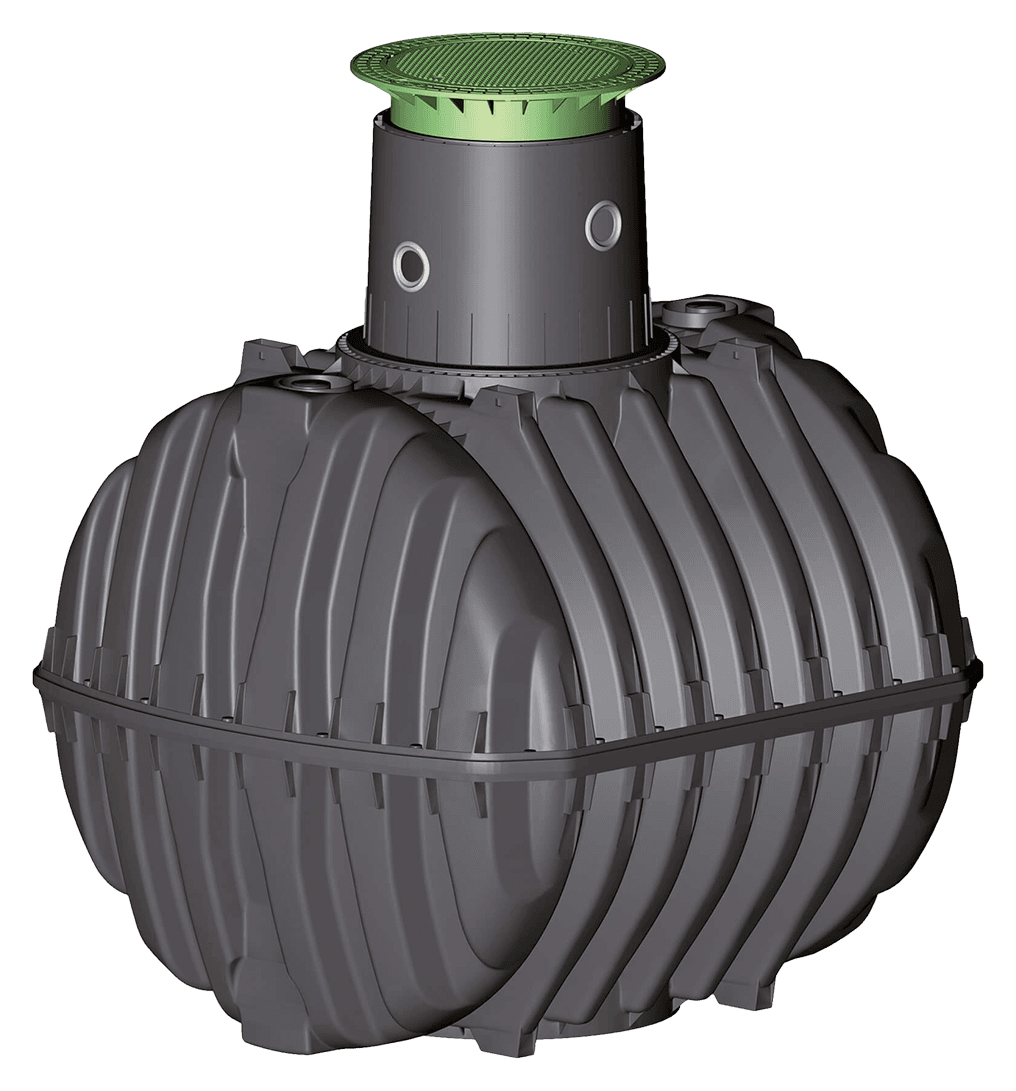
GRAF Carat underground tank
Process
How the system works
Four stages from roof catchment to reuse. This is the harvesting train, not a list of water uses.
- 1Collect: roof and gutter catchment from the impervious roof area
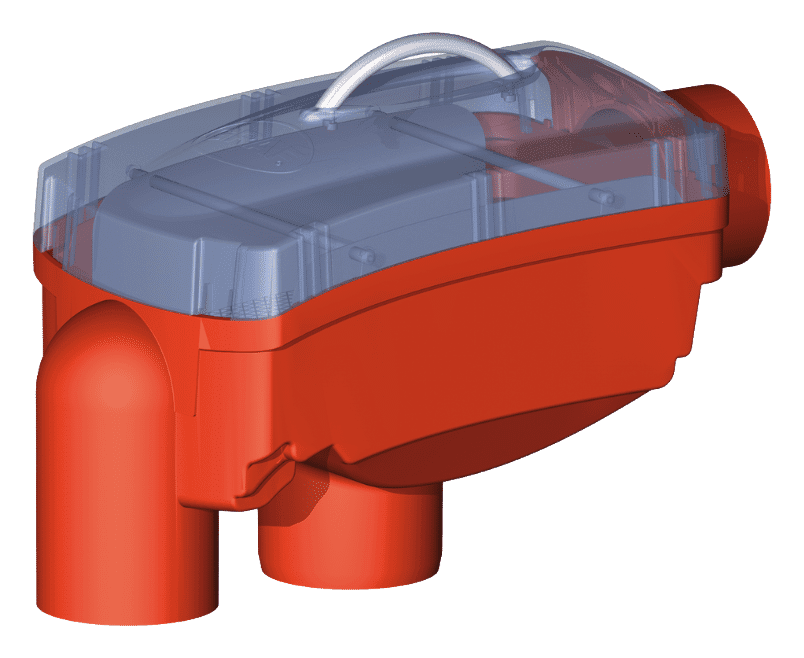
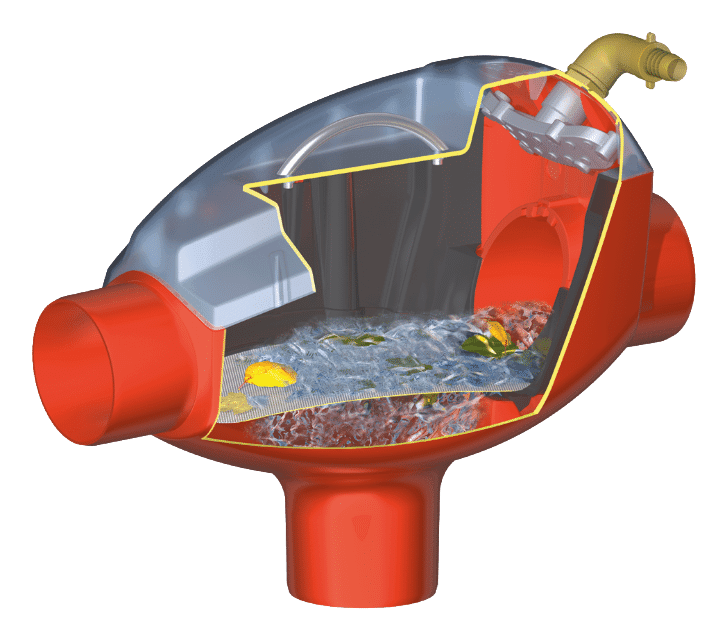
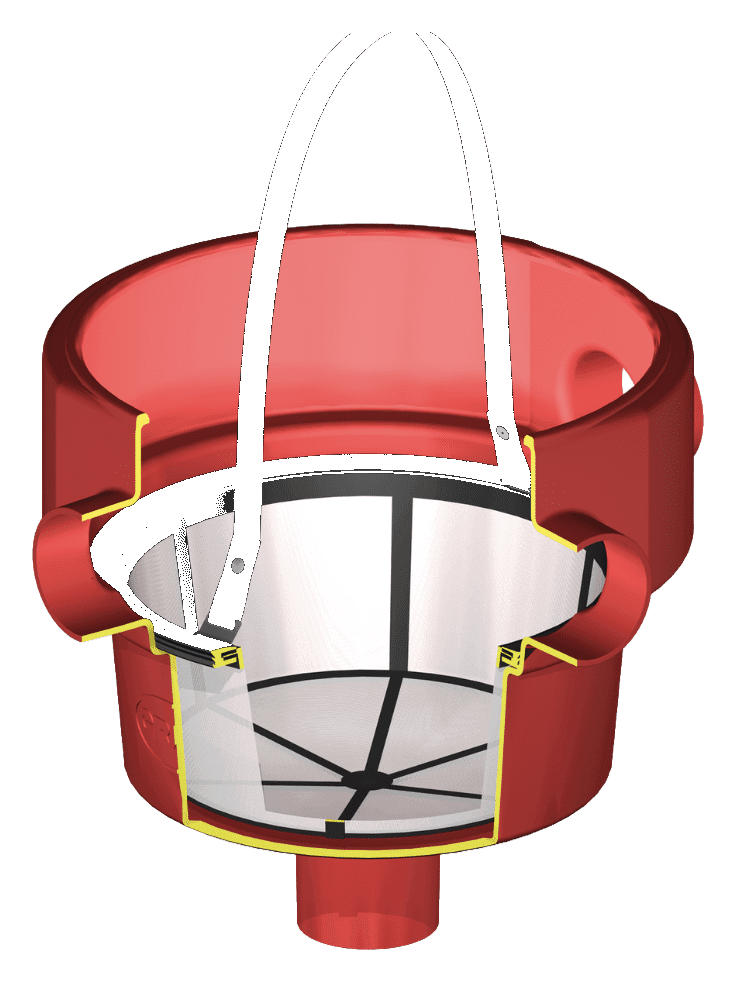
- 2Filter: Optimax or Compact rainwater filter removes leaves and debris before storage
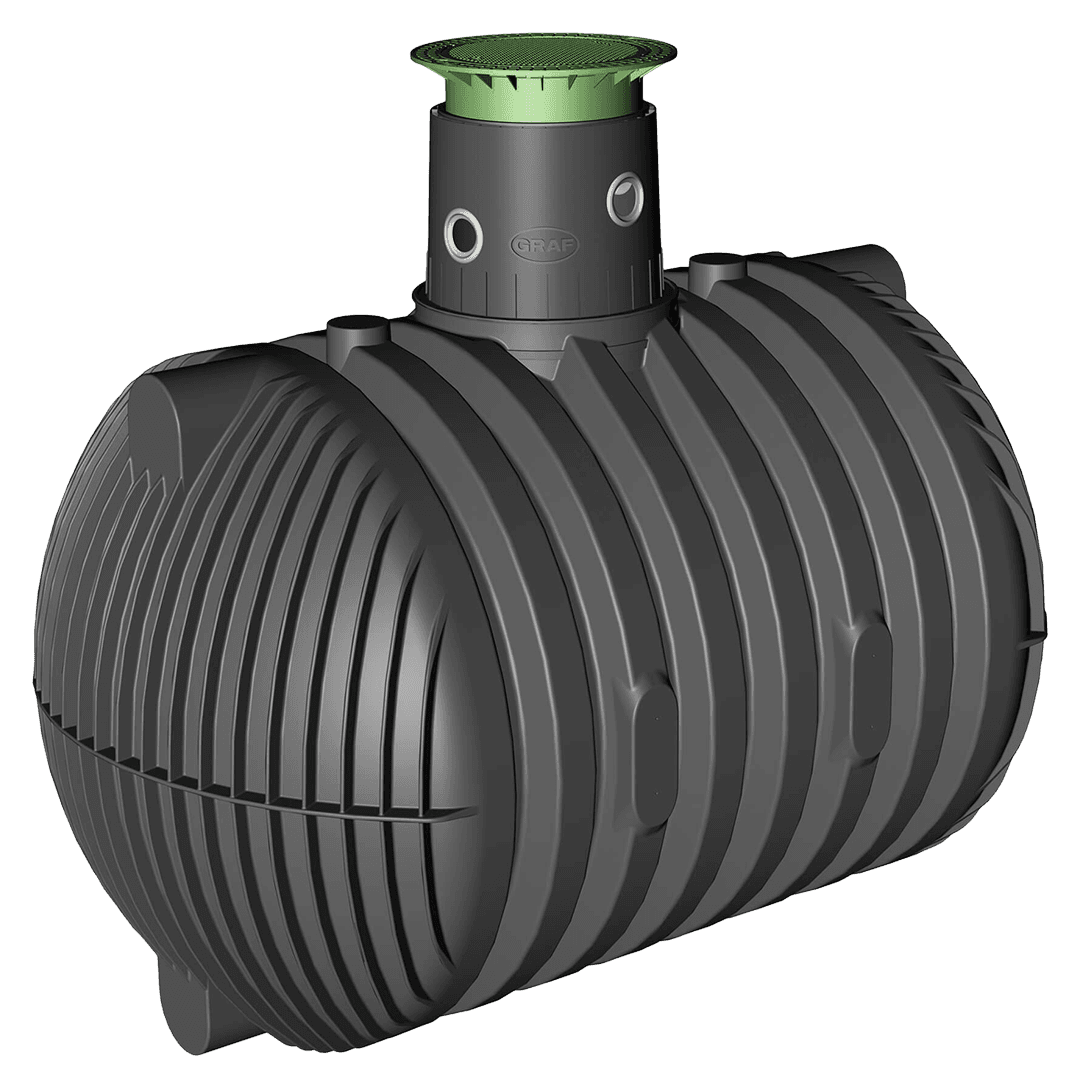
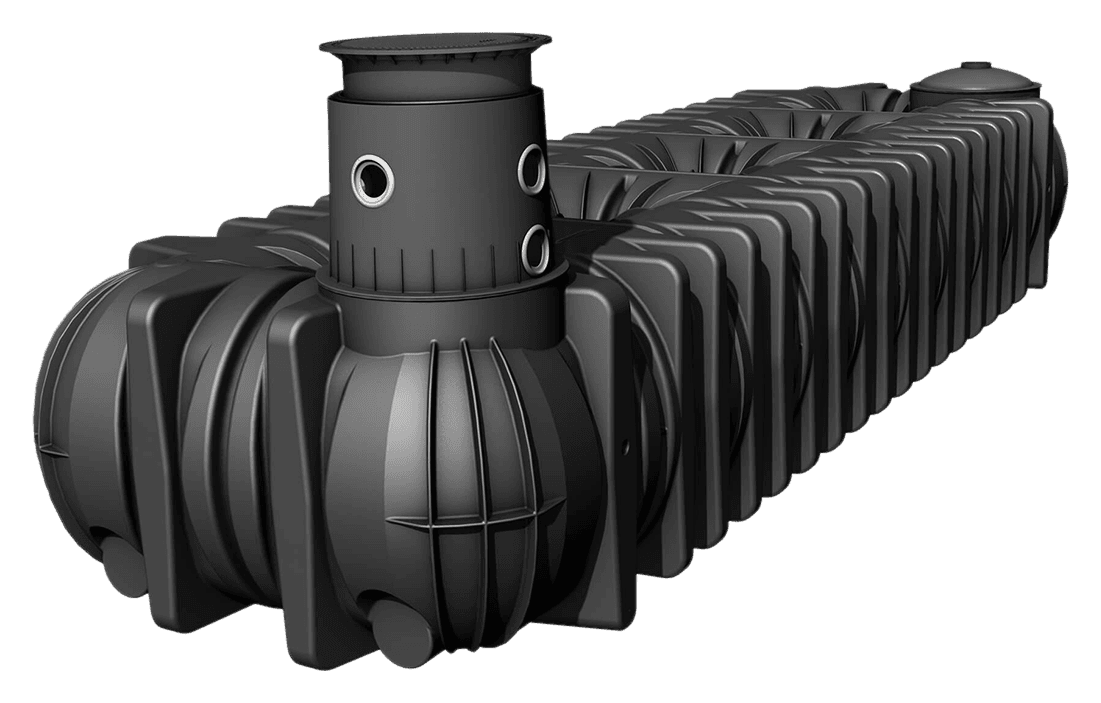
- 3Store: Carat or Platin underground tank, sized to roof area and reuse demand
- 4Deliver: pump and controls send water to irrigation, toilets and laundry
In short
GRAF Australia supplies Carat and Platin underground tanks, above-ground options, filters and pumps for Australian rainwater harvesting. Size to roof area and reuse demand, then quote through grafaustralia.com.au or 1300 131 971. For burial installs, read the underground rainwater tank guide.
How it works
Rainwater harvesting made practical
Filter the roof runoff, store it cool and dark, then pump to reuse. Typical Australian package patterns. Product SKUs live in the catalogue.
Home and garden systems
Roof catchment → Optimax or Compact filter → Carat or Platin underground tank → pump / Aqua-Centre style controls for irrigation, toilets and laundry.
Garden-only systems
Smaller demand can use Herkules modular tanks, Slimline, Round or Flat Underdeck tanks with a downpipe filter and garden pump package.
Sizing and quote
Share roof area, postcode rainfall, and intended reuse (garden / toilets / laundry). We size volume, filtration and pump setup for Australian conditions.
Choose a tank family
Underground and above-ground options
Compare underground and above-ground tank families for Australian sites, aligned with our live catalogue.
Underground
Carat underground tanks
The workhorse for house and garden reuse. High fit accuracy, groundwater-stable options, rotatable dome for pipe alignment, and lighter logistics than concrete. Carat, Carat XL and Carat XXL cover typical Australian dwelling and commercial volumes.
- Suits toilets, laundry and irrigation packages
- Pairs with Optimax / Compact filter packages
- Vehicle-rated lids available for driveway installs
Underground
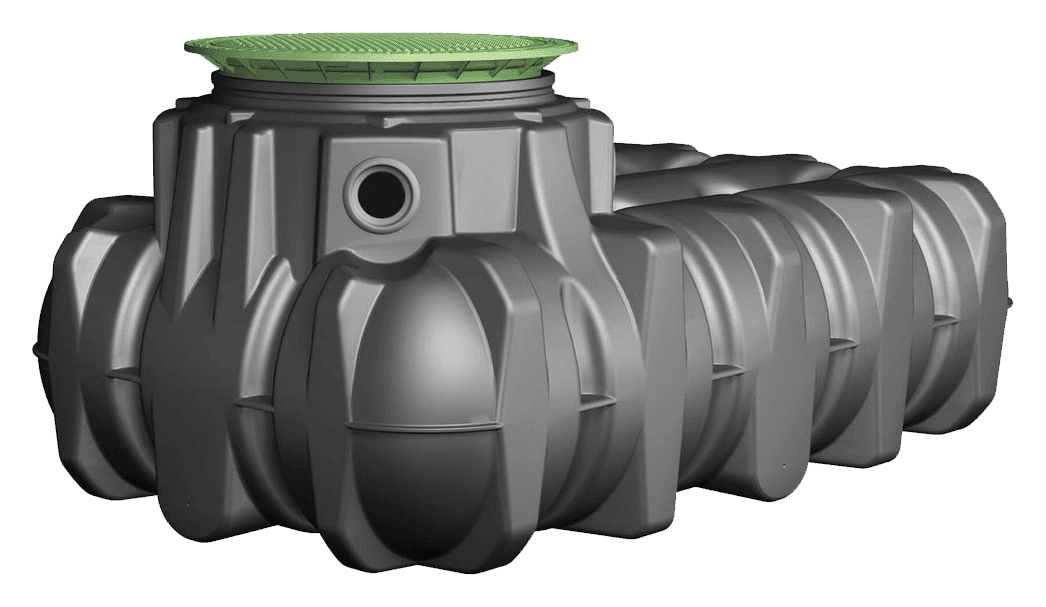
Platin flat tanks
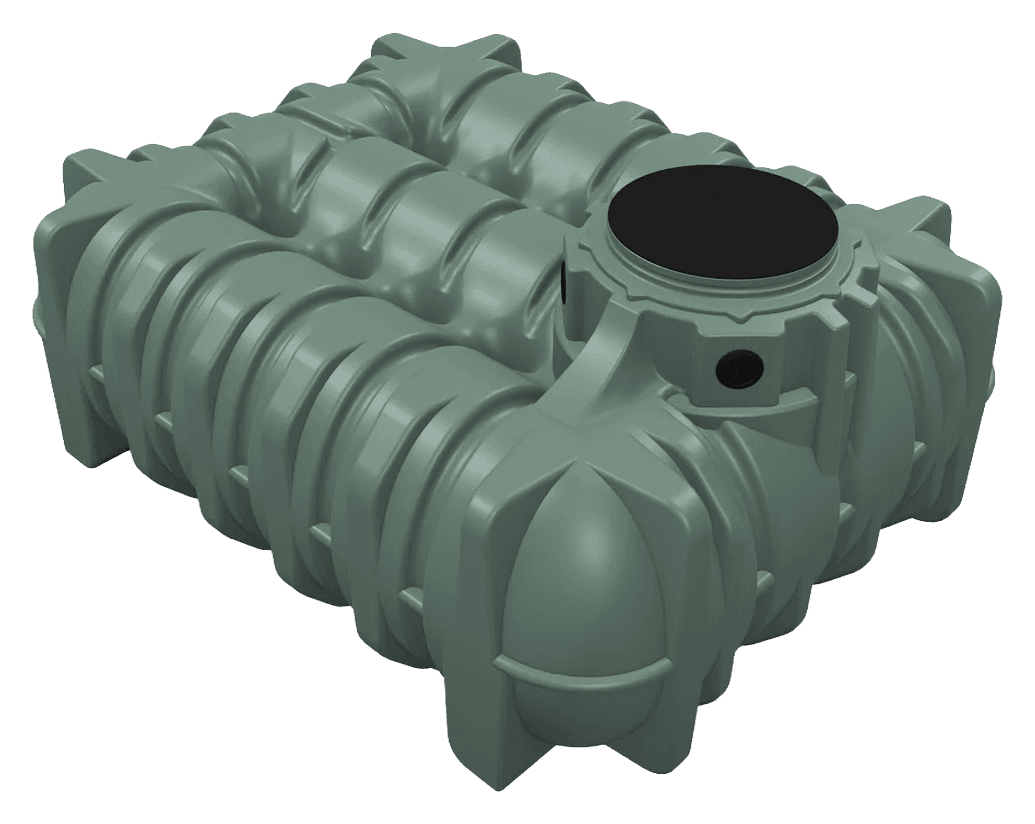
Low-profile underground tanks where dig depth, rock or shallow services limit excavation. Less spoil and shorter install time than a deep cylindrical cistern. Platin, Platin XL and Platin XXL for garden or house packages.
- Shallow dig, lower earthworks cost
- Groundwater-stable family options
- Minimax and Optimax filter packages available
Underground
Lilo, Sapphire and modular
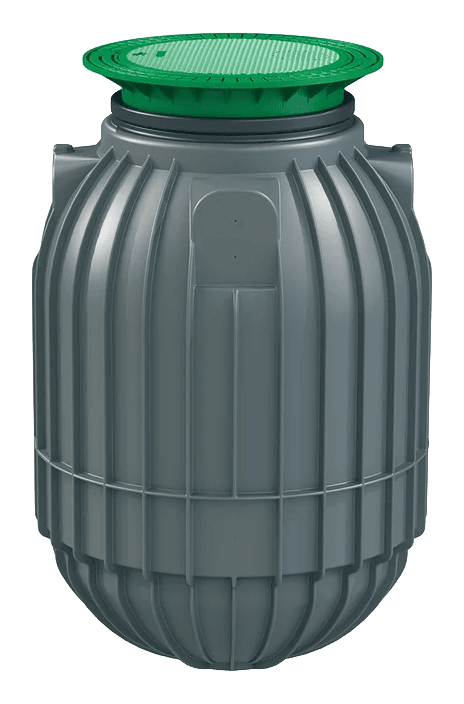
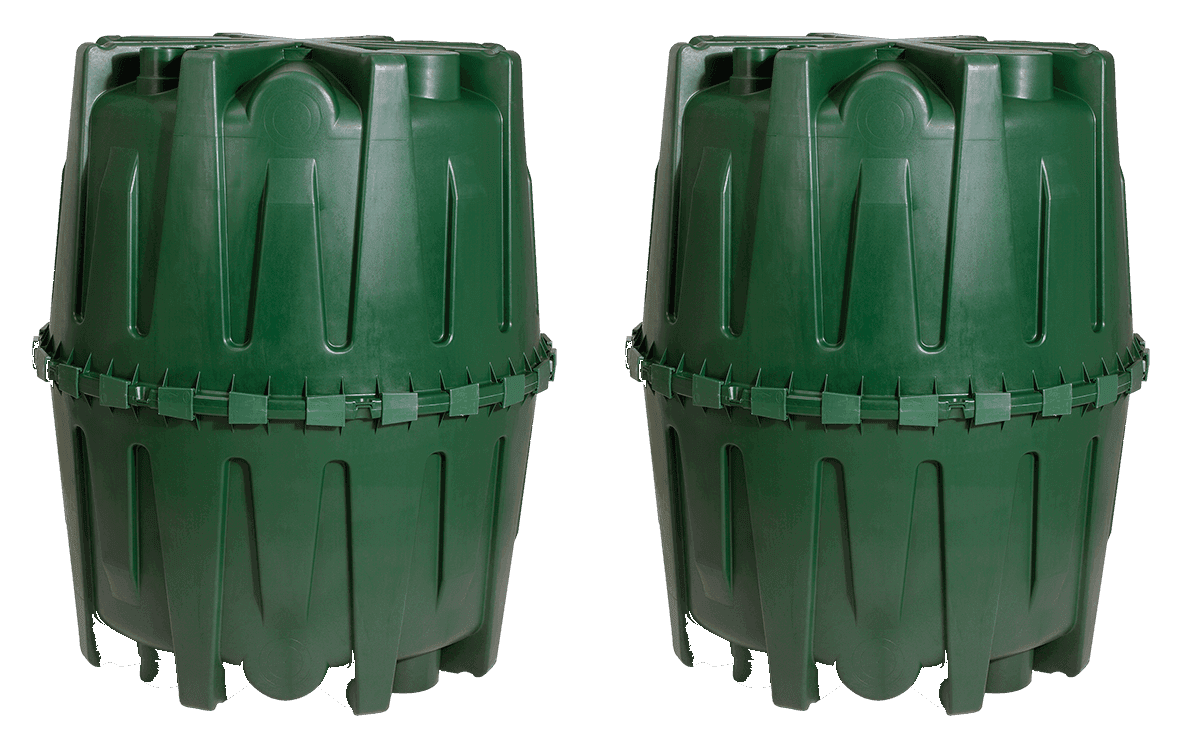
Lilo for compact underground installs, Sapphire holding tanks for larger non-potable storage, and Herkules modular cells where volume is built in stages or access is tight.
- Lilo: compact underground footprint
- Sapphire: 600-1500 L underground holding
- Herkules: modular volume, flexible layouts
Above-ground
Slimline, Round, Underdeck and Herkules
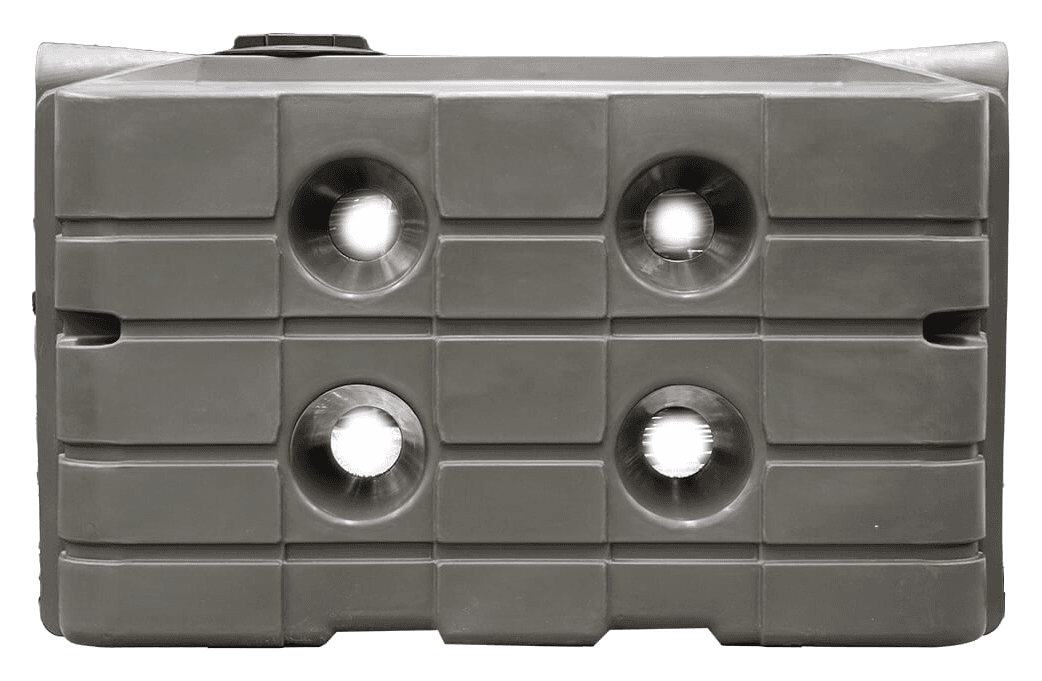
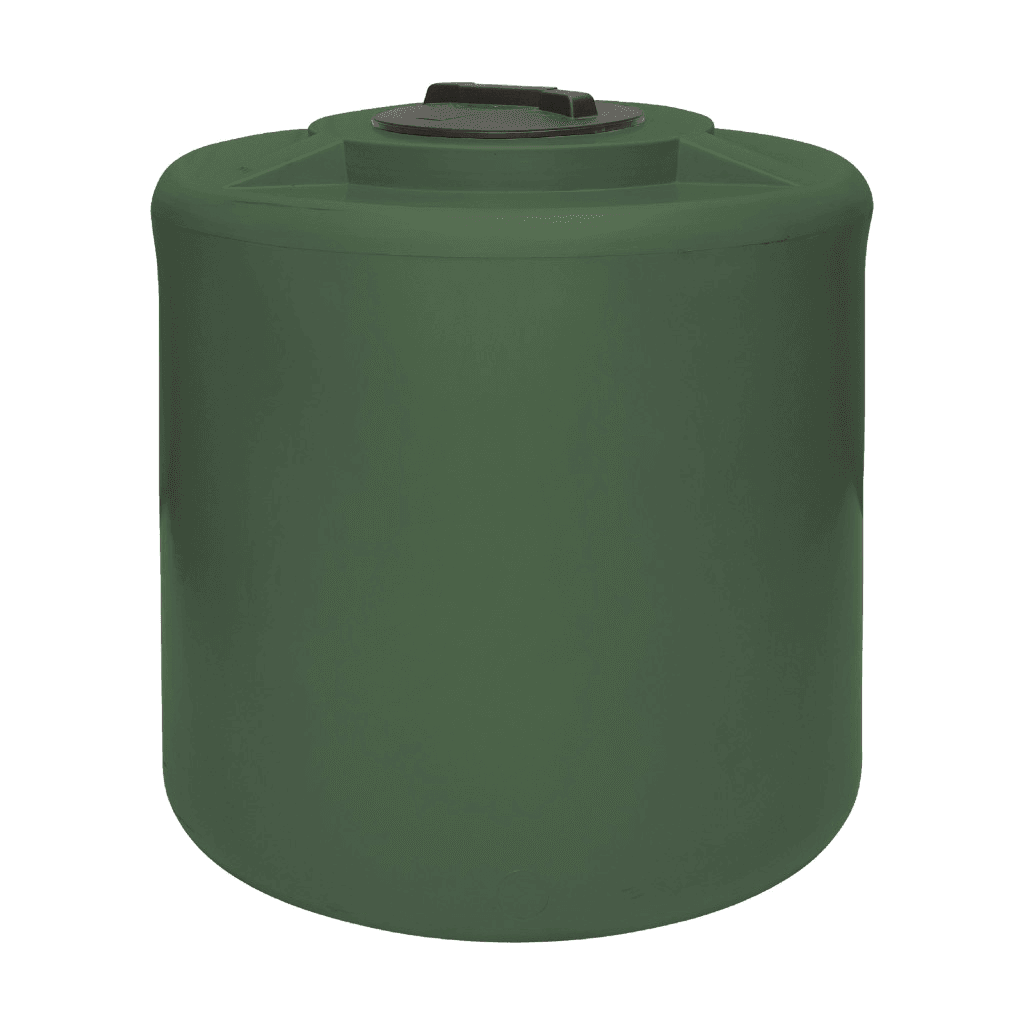
Above-ground and protected under-deck tanks when excavation is not viable: boundary Slimline, Round collection tanks, Flat Underdeck tanks for space under decks and raised homes, and Herkules units that can sit above ground, in a basement or be buried depending on the variant. Opaque walls and permanent shade keep water cooler in Australian sun.
- Fast install, no deep dig
- Flat Underdeck: more water in less under-deck floor area
- Pair with a downpipe / external filter
- Drain or isolate in frost-prone inland sites
When to specify
Typical Australian applications
- Garden irrigation, toilet flushing and laundry supply on dwellings
- Commercial harvesting for washdown, irrigation or amenity water
- Sites aiming to cut mains demand and meet local water-sensitive design goals
FAQ
Questions and answers
Adapted for Australian roofs, councils and GRAF catalogue products (Carat, Platin, Optimax / Minimax rainwater tank filters, Sapphire and above-ground tanks).
What is a rainwater tank filter and do I need one?+
A rainwater tank filter sits upstream of storage and removes leaves, grit and coarse debris before water enters the tank. Without filtration, sediment builds faster and pumps and fittings foul. GRAF Australia supplies Optimax, Minimax, Compact and basket filter packages matched to Carat and Platin tanks. For Australian house packages, specify the filter with the tank rather than as an afterthought.
Which rainwater tank filter should I choose: Optimax, Minimax or basket?+
Optimax packages are the usual self-cleaning choice for Carat underground systems on typical house roofs (catalogue ratings up to about 350 m² for standard packages). Minimax packages pair with Platin flat tanks where dig depth is limited. Basket filters are a simpler Carat option for coarse debris capture. Share roof area, pipe size and tank family on a quote so we nominate the matching package.
Should I choose an underground or above-ground tank?+
Underground (Carat, Platin, Lilo, Sapphire, Herkules buried) keeps water cool and dark, hides the tank from the garden, and suits house reuse for toilets and laundry. Above-ground and under-deck options (Slimline, Round, Flat Underdeck, Herkules above-ground) are faster when dig is blocked by rock, trees or services. In hot Australian climates, keep above-ground tanks opaque and permanently shaded where possible.
When is a Platin flat tank better than Carat?+
Choose Platin when excavation depth is limited (rock, high water table, shallow services) or you want less spoil and a shorter dig. Carat is the usual choice for deeper installs and larger house packages. Both are groundwater-stable options in the GRAF Australia range when specified correctly.
What does a GRAF rainwater harvesting system include?+
At minimum: a filter upstream of storage, a tank, and a way to extract water (garden pump or automatic house package). Garden-only setups can be simple. For toilets and laundry you typically specify a Carat or Platin underground tank with an Optimax / Compact filter package, a pump, and a domestic waterworks / controller that can switch to mains when the tank is empty. Always use a separate non-potable network, never cross-connected to drinking water.
Does stored rainwater stay fresh?+
Underground tanks such as Carat and Platin keep water cool and dark, which limits algae growth and helps quality stay consistent. Above-ground and under-deck tanks (Slimline, Round, Flat Underdeck, Herkules) should be opaque and permanently shaded where possible. Always filter before the tank so leaf litter and coarse debris never enter storage.
How large should my tank be?+
Volume depends on three things: local rainfall (BOM / postcode), effective roof catchment area, and demand (irrigation, toilets, laundry). Australian projects often size for dry spells and council WSUD targets, not only average annual rain. Share roof m², postcode and reuse intent and we will recommend Carat, Platin, Sapphire or above-ground options from the catalogue.
Can I use rainwater for laundry and toilets?+
Yes. Rainwater is soft (low mineral content), which can reduce detergent use and scale compared with hard mains water. Route it only through a dedicated non-potable reticulation with clear labelling. Confirm plumbing, backflow prevention and any water-authority notification requirements for your state and council before connecting toilets or washing machines.
How often do I need to clean the system?+
With a filter upstream and a working overflow, underground tanks typically need desludging only every 10 to 15 years. A thin sediment layer on the floor is normal and helps quality. Do not over-clean. Floating matter is flushed via the overflow siphon when the tank overflows. Self-cleaning Optimax-style filters usually need a quick check once or twice a year depending on leaf load.
Do I need council or water-authority approval?+
Requirements vary by state and local council. Plumbing work should follow the Plumbing Code of Australia / AS/NZS practice and licensed installers. Using rainwater inside the house (toilets, laundry) may need notification or approval from your water utility for the dual supply. Always check local building, plumbing and stormwater rules before install. GRAF Australia can help with product documentation for submissions.
What happens when the tank is full?+
Underground tanks need a controlled overflow to stormwater, sewer (where permitted) or on-site infiltration / detention. Keep the overflow above backwater level and fit a flap valve where required. Above-ground tanks should use a downpipe filter that diverts excess to the stormwater system once the tank is full, so the downpipe never surcharges into the building.
What about frost or cold climates in Australia?+
Most Australian sites do not need European frost-depth bury rules, but alpine and inland cold pockets still need buried suction lines and fittings protected from freeze. Above-ground tanks in frost-prone areas should be drained or isolated in winter if they can freeze solid. Confirm local practice with your installer.
Can I install a tank under a driveway?+
Many GRAF underground tanks (Carat, Platin and larger formats) can take pedestrian or vehicle loading when fitted with the correct cast / concrete cover and installation detail. Match the lid and traffic class to the driveway or car park. We will nominate the right cover with the tank package.
Are there rebates or incentives?+
Some councils and states offer rainwater-tank rebates or stormwater credits for retention and reuse. Schemes change often, so check your local council, water retailer and any BASIX / planning conditions. We can supply product specs to support rebate or DA documentation.
How does GRAF keep water quality high?+
Four stages in a typical underground package: (1) Optimax / Compact filter cleans inflow and rinses debris away; (2) calmed inlet lets fines settle without stirring the tank; (3) overflow siphon removes floating matter (e.g. pollen) when the tank spills; (4) floating intake draws the cleanest water from about 10 cm below the surface for the pump. That is the same multi-stage approach GRAF documents internationally, specified here with AU catalogue products.
Specifying burial tanks? Read the underground rainwater tank Australia guide for Carat, Platin and sizing notes.
Underground tank guideSize a rainwater system
Share roof area, demand and preferred tank location. We will recommend volume, filtration and pump setup.