

GRAF Australia
GRAF | LIFT guide
Pump station total dynamic head
Build the duty point from static lift, rising-main friction and fitting losses before selecting pumps.
In short
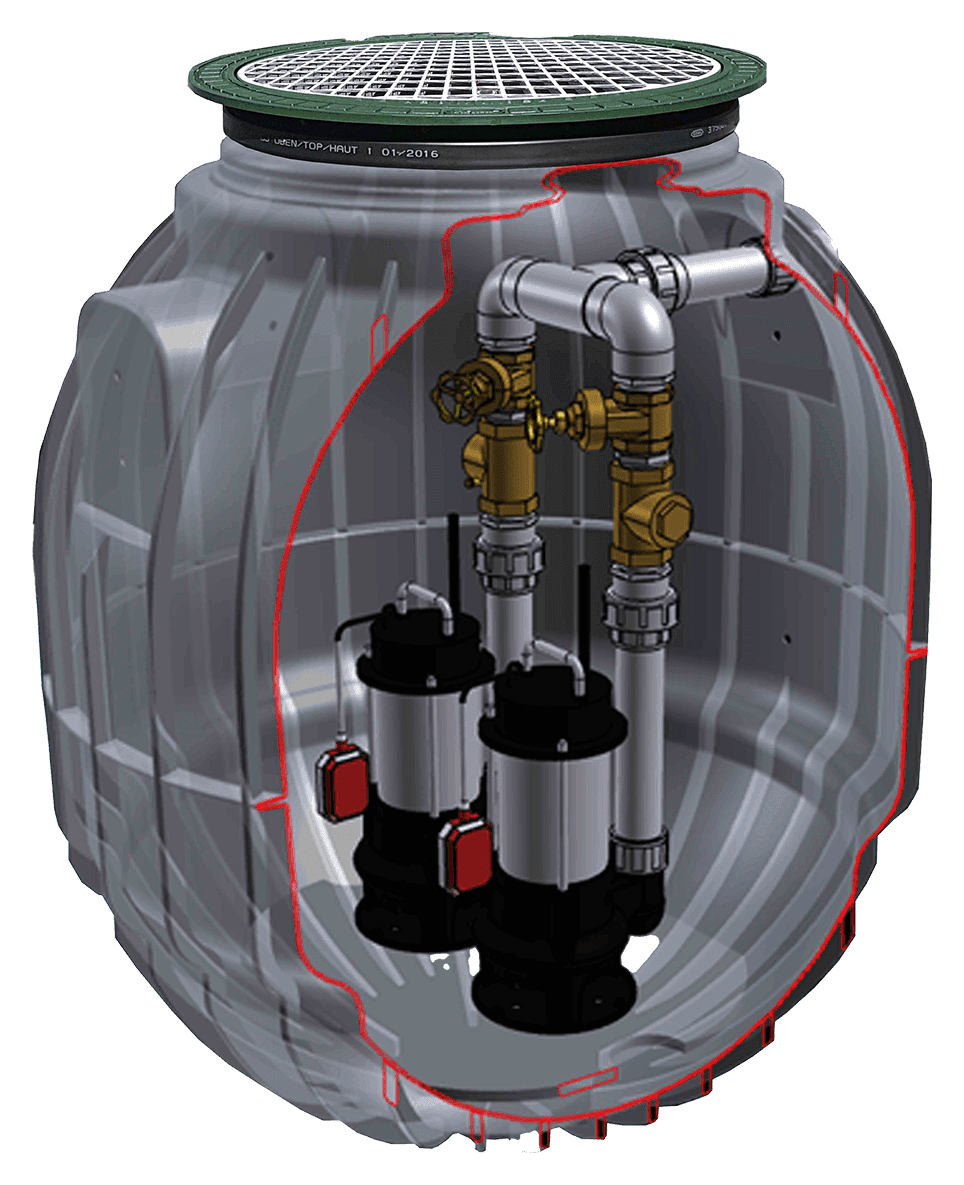
Total dynamic head is the sum of static lift plus friction and fitting losses at the design flow. For GRAF | LIFT packages, confirm elevations, pipe data and flow so pumps are selected against a real duty point, not a guess. GRAF | LIFT, PRESS, REUSE and CARE are being rolled out Australia-wide excluding Victoria. Project delivery, commissioning and field attendance are confirmed against location and scope.
How it works
What to do next
- 01
Measure static lift
Wet-well water surface to discharge elevation, including any intermediate high points.
- 02
Document the rising main
Length, diameter, material, bends, valves and fittings that create friction losses.
- 03
Quote with flow and fluid
Add design flow, fluid type and solids notes so GRAF can review the duty point.
The three parts of TDH
Static head is the elevation difference the pump must lift. Friction losses depend on flow rate, pipe length, diameter and roughness. Fitting losses cover bends, valves, reducers and other local restrictions.
Velocity head and minor site-specific losses may also apply. Keep the calculation transparent so designers and suppliers are reviewing the same duty point.
What to send with a quote request
Project location, design flow, static elevations, rising-main length and diameter, pipe material, valves and fittings, fluid type, solids characteristics, required storage, power supply and drawings.
GRAF will not invent a duty envelope. Incomplete head data delays package selection and commissioning planning.
Compare options
Avoid these TDH shortcuts on commercial pump stations.
| Shortcut | Risk | Better approach |
|---|---|---|
| Static head only | Undersized pumps | Add friction and fittings |
| Guessed pipe length | Wrong duty point | Measure rising-main route |
| Ignoring valves | Unexpected losses | List isolation and non-return valves |
| Copied duty from another site | Mismatch to inflow | Recalculate for this project |
From Australian projects
Specify these products
Frequently asked questions
What is total dynamic head in a pump station?+
What is static head?+
Why does rising-main length matter?+
Can GRAF calculate TDH from drawings?+
Does TDH alone select the pump?+
Keep reading
Related reading
Guide
Commercial pump stations Australia
GRAF | LIFT packaged wet wells, pumps and controls.
Open
Guide
Stormwater pump station design
Basement, car park and yard drainage pump stations.
OpenGuide
Sewage pump station design
Commercial sewer lift packages and selection pathways.
OpenGuide
Duty standby pump stations
Redundancy, alternation and backup starts for stations.
Open
Need a duty point reviewed?
Send elevations, pipe data and flow. Call 1300 131 971 or use the quote form.