
Technical Solutions · Rainwater Treatment
Stormwater and rainwater treatment for Australia
Substrate filtration, sedimentation and hydrodynamic pre-treatment sized for Australian projects, aligned with DWA practice for groundwater and surface-water discharge.
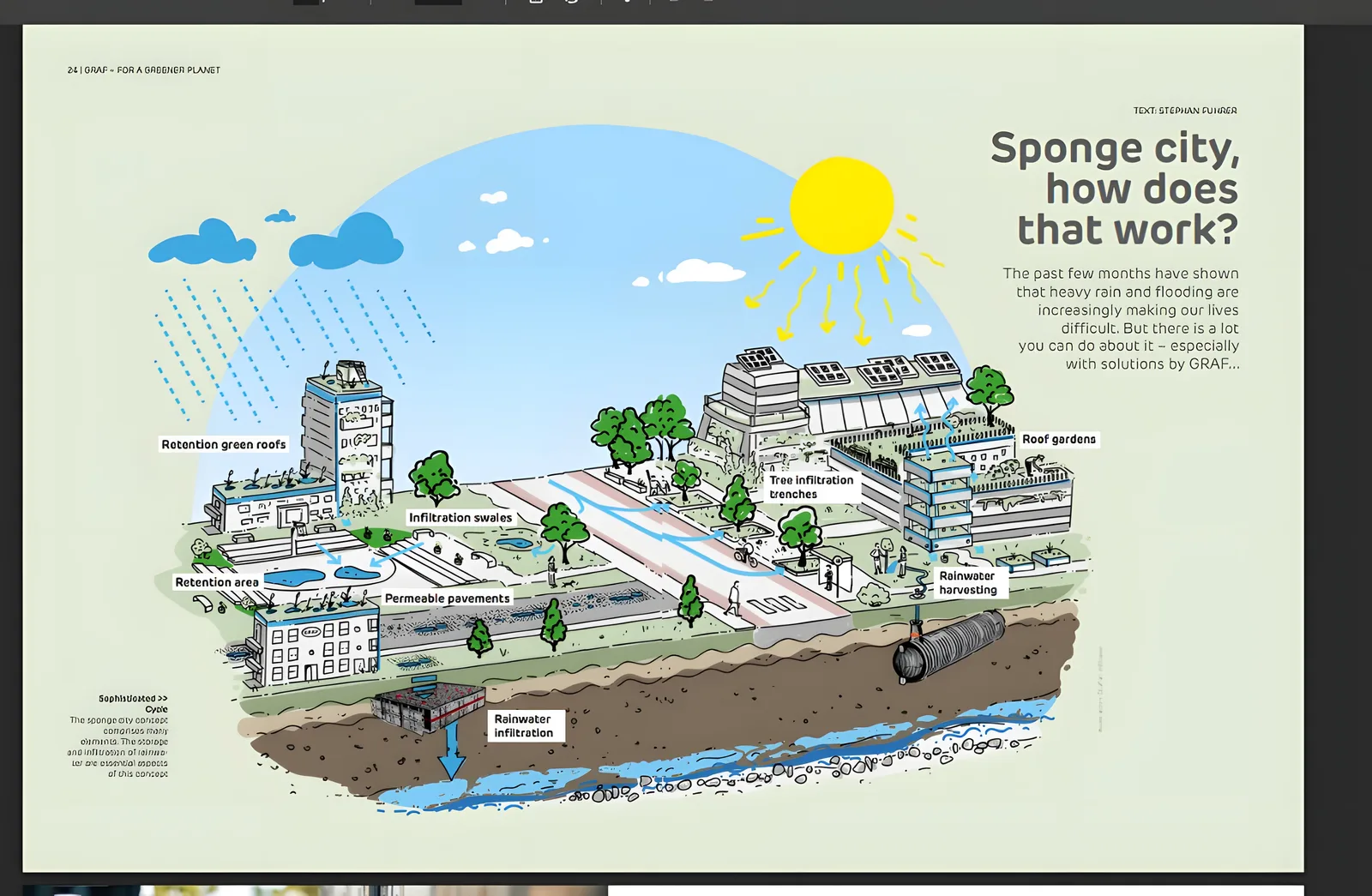
Civil & commercial stormwater - WSUD detention and treatment
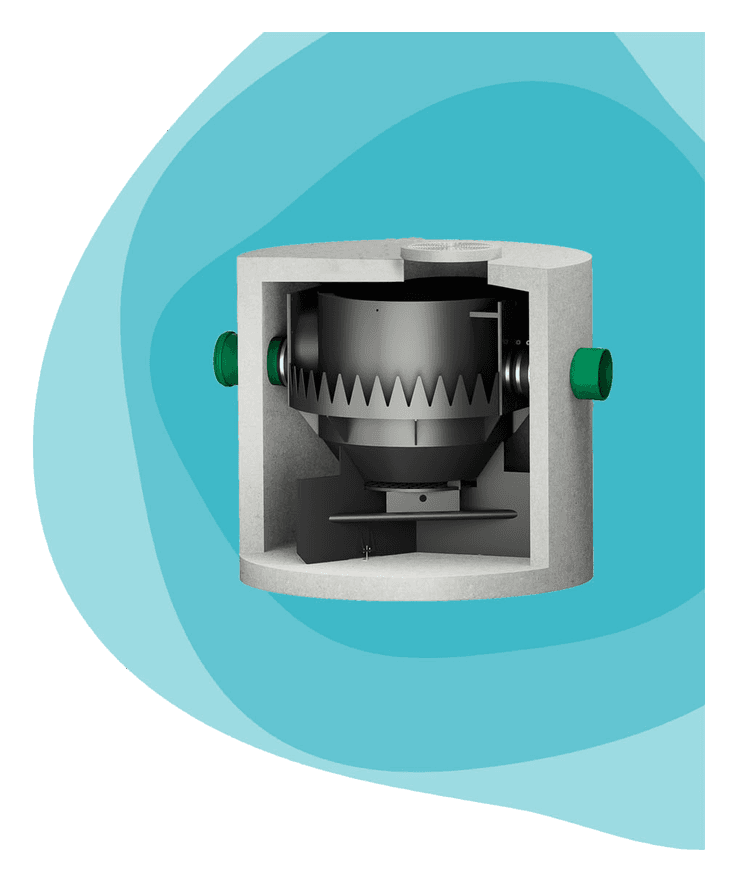
GRAF Treatment Mako Shark sedimentation plant
Process
Stormwater treatment train
Civil runoff is treated through GRAF Treatment Mako Shark sedimentation, then managed with GRAF EcoBloc detention, infiltration or controlled discharge.
- 1Roof, pavement and civil catchment - runoff from impervious site areas
- 2GRAF Treatment Mako Shark - sedimentation and filtration at the treatment inlet
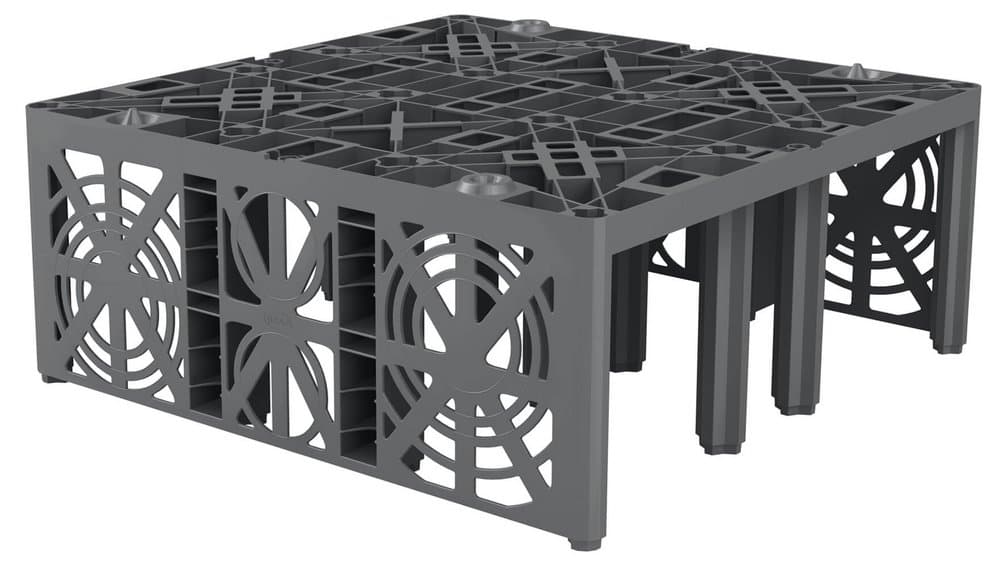
- 3GRAF EcoBloc Inspect modular cells - underground detention, infiltration or retention
- 4Treated flow to council-approved discharge point or soakaway infiltration
Also in this system
In short
GRAF Australia supplies EcoPure and EcoClean substrate filters, sedimentation systems and hydrodynamic separators for Australian stormwater and rainwater treatment. Match the discharge path (infiltration or surface water), then quote through grafaustralia.com.au or 1300 131 971. Pair with OSD detention when council also requires peak-flow control.
Why treat rainwater
Sealed surfaces concentrate pollution
Runoff from streets and yards does not disappear underground. It continues into rivers, lakes and groundwater that often feeds drinking-water supplies. Treatment removes floatables, oils, sediments, fine solids and dissolved metals before discharge or infiltration.
45%
of urban rainfall runs off sealed surfaces
Berlin Rainwater Agency
68%
of microplastic inputs come from traffic areas
Fraunhofer UMSICHT
>70%
of urban runoff carries mixed pollutants
MDPI
~2/3
of drinking water drawn from groundwater sources
Wasseratlas 2025
Pollutants
What treatment targets
Floatables
Packaging, litter and foam ride the water surface. An outlet baffle retains them for vacuum removal during maintenance.
Mineral oil hydrocarbons
Fuel and oil drips float on the surface and are held with floatables until servicing.
Sediments
Heavier solids settle to the tank floor, including particles that carry heavy metals and PAHs from combustion.
Fine solids (AFS63)
Particles ≤ 63 µm settle slowly. Hydrodynamic separators improve retention of these fines before discharge.
Heavy metals
Copper, zinc, lead and cadmium arrive dissolved or bound to particles. Substrate filters remove dissolved metals ahead of infiltration.
Guidelines
DWA-aligned treatment paths
GRAF systems are developed against German DWA worksheets used internationally for stormwater treatment. Match the discharge path first, then the technology.
A 138-1
Infiltration to groundwater: substrate filters (EcoPure, EcoClean).
A 102-2
Discharge to surface waters: hydrodynamic separators (EcoLoop, Mako Shark, EcoCross).
M 153
Sedimentation sizing: SediProtect, Saphir, Carat, Vario 800 EcoBloc.
Catalogue paths
Shop by treatment type
Featured products
Start with these systems
When to specify
Typical Australian applications
- Runoff from roofs, roads, car parks or industrial yards before infiltration or surface-water discharge
- Council / WSUD requirements for treatment train stages (screen → sediment → filter)
- PFAS or heavy-metal concerns on specialised catchments
- First-flush capture on highly polluted traffic areas (EcoPrimo)
FAQ
Treatment questions
What is rainwater treatment for stormwater runoff?+
Rainwater or stormwater treatment removes floatables, oils, sediments, fine solids and dissolved metals from runoff before infiltration or discharge. GRAF Australia supplies EcoPure and EcoClean substrate filters, sedimentation systems and hydrodynamic separators such as EcoLoop Sapphire and Mako Shark.
When do I need stormwater treatment in Australia?+
Typical triggers include WSUD or council conditions for runoff from roofs, roads, car parks or industrial yards, treatment trains before infiltration, and specialised catchments with heavy-metal or PFAS concerns. Confirm the authority requirement, then specify filtration, sedimentation or separators.
EcoPure vs EcoClean vs EcoLoop: what is the difference?+
EcoPure and EcoClean are substrate filter lines used ahead of infiltration. EcoLoop Sapphire is a hydrodynamic separator for surface-water discharge paths. Match the discharge path first, then the product family. Browse treatment products on grafaustralia.com.au or request a quote.
Where do I buy GRAF stormwater treatment in Australia?+
Quote and buy through GRAF Australia at grafaustralia.com.au or call 1300 131 971. Product pages include EcoPure, EcoClean, EcoLoop Sapphire, Mako Shark, SediProtect and related systems.
Size a treatment train
Share catchment area, surface type and discharge path. We will recommend filtration, sedimentation or separator stages.